Types of concrete admixture
| Type | Function | Common chemistry |
|---|---|---|
| Plasticiser (water reducer) | less mixing water, better workability | lignosulfonate |
| Superplasticiser (high-range water reducer) | high flow, high-strength and self-compacting concrete | polycarboxylate ether (PCE), sulfonated naphthalene (SNF), melamine (SMF) |
| Retarder | delayed set for hot weather and long hauls | sugars, gluconate, phosphates |
| Accelerator | faster set and early strength in cold weather and precast | calcium nitrate and formate (chloride-free) |
| Air-entraining agent | fine bubbles for freeze–thaw resistance | surfactants |
| Waterproofing (integral) | lower absorption and permeability | stearates, silane/siloxane, crystalline products |
| Shrinkage reducers, corrosion inhibitors, viscosity modifiers | special applications | product-specific |
| Cement grinding aids and performance enhancers | mill output and cement strength | amines and glycols |
What an inquiry specifies
- Admixture type and standard class (for example ASTM C494 type F or G)
- Chemical base, solids content, density, pH and maximum chloride
- Dosage range (% of cement weight) and compatibility with the cement type and supplementary materials
- Form (liquid or powder), packaging and shelf life (usually 12 months)
Usual packaging and transport
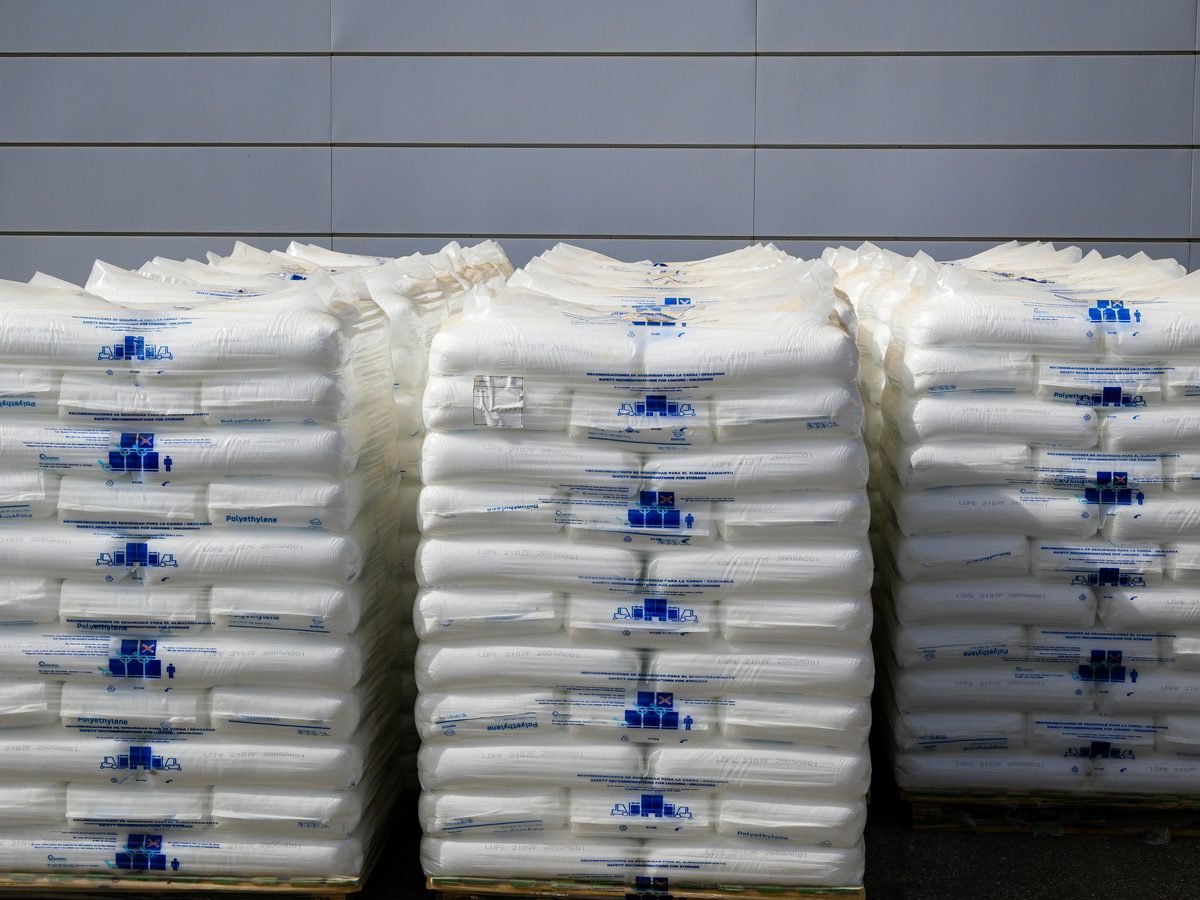
Liquids: 20 to 25 kg jerry cans, 200 to 220 kg drums, 1000 l IBCs and bulk by tanker. Powders: 25 kg bags. Store away from frost and direct sun.
Polymer nanofibers
Polymer nanofibers are one of the additives we supply to the cement and concrete industry. These fibres, a few tens to a few hundred nanometres in diameter, are produced mainly by electrospinning: a polymer solution is drawn into ultra-fine filaments under a strong electric field.
In concrete, polymer fibres control plastic shrinkage cracking, raise toughness and impact resistance, and improve post-cracking behaviour. The very high surface-to-volume ratio of nanofibers makes them effective at very low dosages.
| Property | What is usually specified |
|---|---|
| Polymer | PP, PAN, PVA, nylon and others |
| Mean fibre diameter | nanometres, with distribution |
| Fibre length and form | chopped fibre or nonwoven layer |
| Dosage | kg per cubic metre of concrete |
To be completed: State the polymer, specification and dosage of the nanofibers you supply.
Our range of additives
To be completed: List the additives you supply (e.g. plasticiser, superplasticiser, accelerator, retarder, air-entrainer, waterproofer) and their specifications.
Our packaging and delivery
To be completed: List available packaging (bulk, bags, drums, etc.), minimum order and delivery terms (Incoterms, origin).
Shipping documents
To be completed: List the documents supplied with a shipment (e.g. certificate of analysis, technical data sheet, certificate of origin) or link the files.
Images